
Introduction
Clogged arteries, medically known as atherosclerosis, occur when fatty deposits called plaque build up inside your arteries, restricting blood flow. This silent condition can lead to serious complications like heart attacks and strokes if left unchecked. Understanding the signs of clogged arteries, how to monitor your heart health, and adopting preventive measures can make a life-saving difference.
What Are Clogged Arteries and Why Do They Occur?
Clogged arteries develop when plaque—made of cholesterol, fat, calcium, and cellular waste—accumulates on artery walls. Over time, this narrows the arteries and reduces blood flow.
Major causes include:
- High LDL cholesterol
- High blood pressure
- Smoking
- Poor diet (high in saturated fats and processed foods)
- Sedentary lifestyle
- Diabetes
When untreated, clogged arteries can lead to coronary artery disease, strokes, and peripheral artery disease.
Signs and Symptoms of Clogged Arteries
Early detection is crucial because symptoms often appear late. Common signs include:
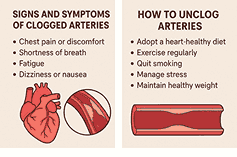
- Chest pain or discomfort (angina) – pressure or tightness during exertion
- Shortness of breath – especially during physical activity
- Fatigue – unexplained tiredness
- Pain radiating to jaw, neck, or arms
- Dizziness or nausea
These symptoms may worsen with activity and improve with rest. If you experience severe chest pain or sudden shortness of breath, seek emergency care immediately.
How to Check Heart Blockage at Home
While you cannot confirm a blockage at home, you can monitor risk indicators:
- Track symptoms: Persistent fatigue, chest discomfort, or breathlessness.
- Check blood pressure: High readings (above 130/80 mm Hg) increase risk.
- Monitor resting heart rate: Normal range is 60–100 bpm.
- Use home devices: Smartwatches and portable ECGs can detect irregular rhythms.
- Ankle-Brachial Index (ABI): Compares blood pressure in arms and ankles to assess circulation.
Important: These methods only indicate risk. Always consult a doctor for accurate diagnosis.
How to Unclog Arteries and Reduce Plaque Naturally
There’s no quick fix to “melt” plaque, but lifestyle changes can stabilize and even reduce buildup:
- Adopt a heart-healthy diet: Focus on fruits, vegetables, whole grains, lean proteins, and healthy fats.
- Exercise regularly: At least 150 minutes of moderate activity weekly.
- Quit smoking: Smoking accelerates plaque formation.
- Manage stress: Meditation and yoga help reduce arterial damage.
- Maintain healthy weight: Losing 5–10% of body weight improves circulation.
Medical options like statins or surgical interventions may be necessary for severe cases.
Key Foods to Help Prevent Clogged Arteries
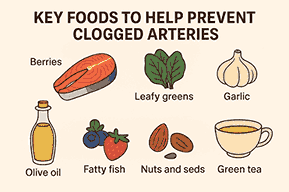
Adding these foods to your diet can significantly improve arterial health:
- Berries (blueberries, strawberries): Rich in antioxidants, reduce inflammation.
- Fatty fish (salmon, mackerel): High in omega-3 fatty acids.
- Leafy greens (spinach, kale): Packed with vitamins and minerals.
- Garlic: Lowers cholesterol and improves blood vessel elasticity.
- Olive oil: Healthy fat that reduces inflammation.
- Nuts and seeds (walnuts, almonds, chia, flax): Support healthy cholesterol levels.
- Green tea: Contains catechins that enhance arterial function.
Avoid processed foods, trans fats, and excess sugar to prevent plaque buildup.
Lifestyle Tips for Long-Term Heart Health
- Schedule regular check-ups and cholesterol screenings.
- Limit alcohol and avoid smoking.
- Prioritize quality sleep and hydration.
- Practice stress management techniques daily.
Frequently Asked Questions (FAQ)
1. What are clogged arteries?
Clogged arteries occur when plaque builds up inside the artery walls, reducing blood flow and increasing the risk of heart disease.
2. What are the early signs of clogged arteries?
Early signs include chest pain, shortness of breath, fatigue, and dizziness. These symptoms often appear during physical activity.
3. How can I check for clogged arteries at home?
You can monitor blood pressure, heart rate, and symptoms, but only a doctor can confirm artery blockages through tests like angiography or CT scans.
4. Can clogged arteries be reversed naturally?
Lifestyle changes such as a healthy diet, regular exercise, quitting smoking, and stress management can help reduce plaque buildup and improve heart health.
5. What foods help prevent clogged arteries?
Foods like berries, fatty fish, leafy greens, garlic, olive oil, nuts, seeds, and green tea support arterial health and reduce plaque formation.
6. What causes plaque buildup in arteries?
High cholesterol, high blood pressure, smoking, poor diet, lack of exercise, and diabetes are major contributors to plaque buildup.
7. When should I see a doctor?
Seek medical attention if you experience severe chest pain, shortness of breath, or symptoms that persist or worsen over time.
Conclusion
Clogged arteries are preventable with the right lifestyle choices. Start today by incorporating heart-healthy foods, exercising regularly, and monitoring your blood pressure. Your heart health is in your hands—make every choice count.
If you’re interested in exploring more about healthy eating and lifestyle tips, feel free to check out our latest blog on Optavia Healthy Fats: Boost Energy & Nourish Your Body Daily