For something we spend roughly a third of our lives doing, sleep is often one of the first things we sacrifice. We chase productivity, social engagements, and late-night screen time, telling ourselves we’ll “catch up” later. But the truth is, healthy sleep isn’t a luxury; it’s a non-negotiable pillar of health, as crucial as a balanced diet and regular exercise.
If you’re searching for “healthy sleep remedies” or wondering how to achieve “good sleep for adults,” you’ve come to the right place. This definitive guide moves beyond simplistic advice to provide a deep, factual dive into the science of sleep, offering actionable strategies to transform your nights and supercharge your days.
Table of Contents
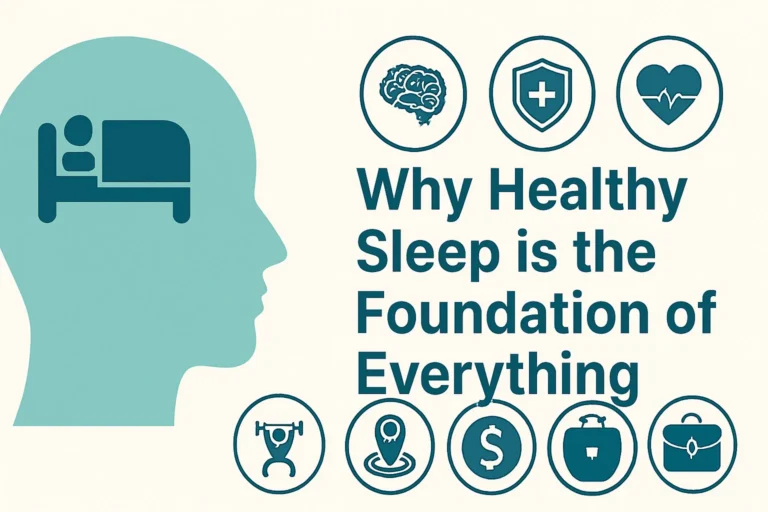
ToggleWhy Healthy Sleep is the Foundation of Everything
Health sleeping is not merely a state of unconsciousness. It’s a dynamic, complex process essential for our physical and mental restoration. During a good night sleep, your brain and body are remarkably active:
-
Memory Consolidation: Your brain processes and stores memories from the day, solidifying learning.
-
Physical Repair: Tissue growth and repair occur, muscles are rebuilt, and hormones essential for growth and development are released.
-
Cognitive Reboot: The brain clears out metabolic waste that accumulates during waking hours, literally “taking out the trash.” This is vital for cognitive function and may even play a role in preventing neuro de-generative diseases.
-
Emotional Regulation: Sleep helps process emotional information, strengthening our resilience to stress and irritability.
-
Immune Function: Consistent, good sleep bolsters your immune system, making you more resistant to infections.
Chronic sleep deprivation, on the other hand, is linked to a higher risk of serious health conditions, including hypertension, heart disease, obesity, diabetes, and depression.
The Architecture of a Good Night’s Sleep
Understanding the structure of sleep demystifies why both quality and quantity matter. Sleep is composed of multiple 90-minute cycles, each containing two main types:
-
NREM (Non-Rapid Eye Movement) Sleep: This makes up about 75% of the night and has three stages, progressing from light to deep sleep. Deep sleep (Stage 3) is the most restorative, crucial for physical recovery and feeling refreshed.
-
REM (Rapid Eye Movement) Sleep: This is where most dreaming occurs. REM sleep is vital for learning, memory, and emotional processing. As the night progresses, REM stages get longer.
A healthy sleep for adults means cycling through these stages uninterrupted, allowing the brain and body to get the right type of rest at the right time.
The Blueprint for Good Sleep for Adults: Building Your Sleep Sanctuary
Achieving consistently good sleep requires a proactive approach. Think of it as building a fortress of rest, brick by brick. Here are the foundational pillars.
1. Master Your Sleep Schedule (The Power of Rhythm)
Your body thrives on predictability. The circadian rhythm, your internal 24-hour clock, regulates your sleep-wake cycle.
-
Actionable Tip: Go to bed and wake up at the same time every day, even on weekends. A consistent schedule reinforces your circadian rhythm, making it easier to fall asleep and wake up naturally.
2. Craft a Powerful Wind-Down Routine (The Pre-Sleep Ritual)
You can’t expect your brain to go from 100 mph to zero instantly. A relaxing routine 30-60 minutes before bed signals to your body that it’s time to wind down.
-
Actionable Tips:
-
Dim the Lights: Lower lighting levels encourage the production of melatonin, the sleep hormone.
-
Disconnect from Screens: The blue light from phones, tablets, and TVs is particularly disruptive to melatonin. Implement a “digital curfew” at least one hour before bed.
-
Engage in Calming Activities: Read a physical book, listen to soft music or a calming podcast, take a warm bath, practice gentle stretching or yoga, or meditate.
-
3. Optimize Your Sleep Environment (The Sanctuary)
Your bedroom should be a temple dedicated to rest. Evaluate it with a critical eye.
-
Temperature: A cool room (around 65°F or 18°C) is ideal for initiating and maintaining sleep.
-
Light: Your room should be as dark as possible. Use blackout curtains and cover any electronic lights.
-
Noise: Minimize disruptive sounds. Use earplugs, a white noise machine, or a fan to create a consistent, soothing auditory environment.
-
Your Bed: Invest in a comfortable mattress and pillows that support your preferred sleeping position.
4. Be Smart About Food and Drink
What you consume has a direct impact on your night sleeping.
-
Avoid Large Meals and Alcohol Before Bed: A heavy meal can cause discomfort and indigestion. While alcohol may make you feel drowsy initially, it severely fragments sleep and suppresses REM sleep later in the night.
-
Limit Caffeine and Nicotine: Both are stimulants that can take hours to wear off. Avoid caffeine in the afternoon and evening.
-
A Light Snack is Okay: A small snack like a banana, a handful of almonds, or a small glass of milk can sometimes be helpful if you’re feeling hungry.
5. Move Your Body (But Time It Right)
Regular physical activity is one of the most effective healthy sleep remedies. It helps you fall asleep faster and enjoy deeper sleep.
-
Actionable Tip: Aim for at least 30 minutes of moderate exercise most days. However, try to finish vigorous workouts at least 2-3 hours before bedtime, as exercising too late can be overstimulating for some people.
Beyond the Basics: Healthy Sleep Remedies for Stubborn Nights
Sometimes, even with good habits, sleep can be elusive. Here are targeted healthy sleep remedies to try when you need extra help.
1. Cognitive Techniques for a Racing Mind
-
The 15-Minute Rule: If you can’t fall asleep after 15-20 minutes, get out of bed. Go to another room and do something relaxing in dim light (like reading) until you feel sleepy. This prevents your brain from associating your bed with frustration.
-
Journaling: Keep a “brain dump” journal by your bed. Write down your worries, to-do lists, or anything on your mind before you turn out the light. This can help quiet a racing mind.
-
Guided Meditation and Breathing Exercises: Apps and online videos offer guided sleep meditations and breathing techniques (like the 4-7-8 method) that can actively calm your nervous system.
2. Leveraging Light Exposure
-
Get Morning Sunlight: Exposure to bright natural light first thing in the morning helps calibrate your circadian rhythm, making it easier to feel sleepy at the right time in the evening.
3. Evaluating Supplements and Foods
-
Tart Cherry Juice: A natural source of melatonin.
-
Magnesium: This mineral plays a role in supporting deep, restorative sleep. Foods like almonds, spinach, and pumpkin seeds are good sources.
-
Herbal Teas: Chamomile, valerian root, and passionflower teas are traditionally used for their calming properties.
Important Note: Always consult with a healthcare provider before starting any new supplement regimen.
When to Seek Professional Help
If you have consistently implemented these strategies for several weeks and still struggle with chronic insomnia, excessive daytime sleepiness, or loud snoring (a potential sign of sleep apnea), it’s crucial to consult a doctor or a sleep specialist. They can diagnose underlying conditions and provide appropriate treatment.
Conclusion: Reclaim Your Right to Rest
The journey to consistent, healthy sleep for adults is a personal one. It requires intention, consistency, and a willingness to prioritize your well-being. By understanding the science of sleep and building a lifestyle that supports it—from a consistent schedule and a calming routine to an optimized environment—you can move from struggling with sleeps to enjoying truly restorative good night sleep. Start with one or two changes tonight, and begin the rewarding journey of reclaiming your rest.
Frequently Asked Questions (FAQ) About Healthy Sleep
Q1: How many hours of sleep do I really need?
A: While individual needs vary, the National Sleep Foundation recommends 7-9 hours per night for most adults. The right amount is what allows you to wake up feeling refreshed and alert without an alarm clock on most days.
Q2: Is it bad to use my phone in bed before sleeping?
A: Yes, it’s one of the most disruptive habits for good sleep. The blue light emitted suppresses melatonin production, and the engaging content (social media, news) stimulates your brain, making it much harder to wind down.
Q3: I wake up in the middle of the night and can’t get back to sleep. What should I do?
A: This is common. Follow the “15-Minute Rule.” If you’re awake for more than 15-20 minutes, get out of bed. Do a quiet, non-stimulating activity in dim light (like reading a boring book) until you feel sleepy again. Avoid looking at the clock, as it can increase anxiety.
Q4: Are naps good or bad for healthy sleep?
A: It depends. A short “power nap” of 20-30 minutes in the early afternoon can improve alertness without affecting nighttime sleep. However, long or late naps (after 3 PM) can make it harder to fall asleep at night.
Q5: What’s the difference between feeling tired and feeling sleepy?
A: This is a key distinction. You can feel tired physically (lack of energy) but not sleepy (ready for sleep). This is common when you’re stressed. In this case, a relaxing wind-down routine is more effective than simply going to bed, where you might just lie awake feeling tired but wired.
Q6: Does alcohol help with good sleep?
A: No, this is a myth. Alcohol is a sedative, so it may help you fall asleep faster. However, it dramatically reduces sleep quality, leading to fragmented sleep, less REM sleep, and more frequent awakenings in the second half of the night. It is not a healthy sleep remedy.
If you’re interested in exploring more about healthy eating and lifestyle tips, feel free to check out our latest blog on Optavia Healthy Fats: Boost Energy & Nourish Your Body Daily
