

Your gut is home to trillions of microorganisms — Probiotics for Gut Health That is Actually Work and keeping them in balance could be one of the most powerful things you do for your health. Whether you’re battling bloating, recovering from antibiotics, or simply looking to improve your digestive wellness, probiotics have become a go-to solution for millions of people worldwide.
But with hundreds of products crowding pharmacy shelves, how do you know which probiotics actually work? This guide cuts through the noise with science-backed recommendations, strain-specific benefits, and expert tips to help you choose the best probiotic for your gut health needs.
What Are Probiotics and Why Does Your Gut Need Them?
Probiotics are live microorganisms — primarily bacteria and certain yeasts — that, when consumed in adequate amounts, confer a measurable health benefit on the host. The term comes from Latin and Greek roots meaning “for life,” and it lives up to its name.
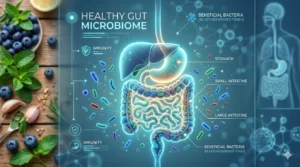
Your gastrointestinal tract houses the gut microbiome, a complex ecosystem of over 100 trillion microbes representing more than 1,000 different bacterial species. This community plays a critical role in:
• Breaking down food and absorbing nutrients
• Regulating immune system function (up to 70% of immune cells reside in the gut)
• Producing neurotransmitters like serotonin, impacting mood and mental health
• Protecting against harmful pathogens through competitive exclusion
• Maintaining the intestinal barrier that prevents “leaky gut”
When this microbial balance is disrupted — a condition called gut dysbiosis — it can trigger digestive disorders, inflammation, fatigue, skin issues, and even mental health challenges. Probiotics help restore and maintain this balance.
Key Factors to Consider When Choosing a Probiotics for Gut Health
Before diving into specific strains, here’s what separates an effective probiotic supplement from a mediocre one:
- Strain Specificity Not all probiotics do the same thing. Each strain has unique properties. Lactobacillus acidophilus behaves very differently from Bifidobacterium longum. Always match the strain to your specific health concern.
- Colony-Forming Units (CFUs) CFUs measure the number of viable bacteria in a dose. Most clinical studies use doses between 1 billion and 100 billion CFUs. Higher isn’t always better — what matters is whether the dose is appropriate for the target condition.
- Survivability Probiotics must survive stomach acid to reach the intestines alive. Look for products with enteric coating, delayed-release capsules, or strains naturally resistant to acidic environments.
- Third-Party Testing Quality probiotics are tested for potency, purity, and accurate labeling by independent labs. Look for certifications from NSF International, USP, or ConsumerLab.
- Prebiotic Support Some formulations include prebiotics — dietary fibers like inulin and FOS (fructooligosaccharides) that feed beneficial bacteria. These synbiotic combinations often deliver superior results.
Best Probiotic Strains for Gut Health
1. Lactobacillus acidophilus — The Digestive Workhorse
One of the most researched probiotic strains in the world, L. acidophilus naturally colonizes the small intestine and vaginal tract. It produces lactic acid, which lowers intestinal pH and inhibits the growth of harmful bacteria.
Best for: Lactose intolerance, IBS, antibiotic-associated diarrhea, vaginal health
Research highlight: Multiple clinical trials have demonstrated that L. acidophilus significantly reduces bloating, abdominal pain, and irregular bowel habits in people with irritable bowel syndrome (IBS).
2. Bifidobacterium longum — The Gut Barrier Protector
B. longum is one of the first bacteria to colonize the human gut after birth and remains a dominant species throughout life. It’s particularly effective at fermenting dietary fiber and producing short-chain fatty acids (SCFAs) like butyrate, which nourish colon cells and strengthen the intestinal lining.
Best for: Constipation, inflammatory bowel conditions, immune support, reducing oxidative stress
Research highlight: Studies show B. longum supplementation reduces markers of intestinal inflammation and improves bowel regularity in elderly populations.
3. Lactobacillus rhamnosus GG (LGG) — The Gold Standard
L. rhamnosus GG is arguably the most clinically studied probiotic strain in existence. It has an exceptional ability to adhere to the intestinal wall, crowd out pathogens, and modulate immune responses.
Best for: Traveler’s diarrhea, antibiotic-associated diarrhea, childhood gut infections, eczema linked to gut imbalance
Research highlight: A landmark meta-analysis found LGG reduced the duration of acute infectious diarrhea in children by approximately one day and lowered the risk of diarrhea lasting more than three days.
4. Bifidobacterium infantis — The IBS Specialist
B. infantis 35624, marketed under the brand name Align, has been specifically studied for IBS. It’s one of the few strains with robust clinical evidence for reducing the full constellation of IBS symptoms — including abdominal pain, bloating, and bowel irregularities.
Best for: IBS (all subtypes), gut-immune axis support, reducing systemic inflammation
Research highlight: A large randomized controlled trial showed B. infantis 35624 significantly outperformed placebo in reducing IBS symptom scores over an 8-week period.
5. Saccharomyces boulardii — The Yeast Probiotic
Unlike bacterial probiotics, S. boulardii is a beneficial yeast. Its primary superpower is resilience — it naturally survives stomach acid and is not affected by antibiotics, making it ideal for simultaneous use during antibiotic treatment.
Best for: Antibiotic-associated diarrhea, C. difficile infections, traveler’s diarrhea, Crohn’s disease management
Research highlight: Clinical evidence consistently shows S. boulardii reduces the risk of antibiotic-associated diarrhea by up to 57% when taken alongside antibiotics.
6. Lactobacillus plantarum — The Inflammation Fighter
L. plantarum is one of the most versatile probiotic strains, known for its exceptional ability to survive harsh gastrointestinal conditions without special encapsulation. It produces compounds that directly combat pathogens and modulate gut immune responses.
Best for: Leaky gut syndrome, inflammatory bowel disease, reducing LPS-induced inflammation, athletic recovery
Research highlight: Research published in gastroenterology journals indicates L. plantarum reduces intestinal permeability markers and lowers circulating endotoxins associated with chronic systemic inflammation.
7. Bifidobacterium breve — The Metabolic Ally
B. breve has gained significant attention for its role in metabolic health and weight management. It helps ferment non-digestible carbohydrates and produces SCFAs that influence fat storage and appetite hormones.
Best for: Weight management support, infant gut health, atopic dermatitis, metabolic syndrome
Research highlight: Japanese clinical research found B. breve B-3 supplementation led to reductions in body fat percentage and abdominal fat in overweight adults over 12 weeks.
Best Food Sources of Probiotics
Supplements aren’t the only way to support your microbiome. Fermented foods are among the richest natural sources of live beneficial bacteria:
Yogurt — Look for labels that say “live and active cultures.” Greek yogurt typically contains L. acidophilus and B. animalis.
Kefir — A fermented milk drink containing up to 61 strains of bacteria and yeasts, with CFU counts far exceeding most supplements.
Kimchi — A Korean fermented vegetable dish rich in L. plantarum, L. brevis, and L. fermentum. Also a potent source of antioxidants.
Sauerkraut — Fermented cabbage loaded with lactic acid bacteria. Choose unpasteurized versions to preserve live cultures.
Miso — A Japanese fermented soybean paste containing A. oryzae and various Lactobacillus species, plus prebiotic fiber.
Tempeh — A fermented soybean product with a firm texture and high protein content, rich in beneficial microorganisms and B vitamins.
Kombucha — A fermented tea beverage containing S. boulardii and acetic acid bacteria. Choose low-sugar varieties.
Probiotics and the Gut-Brain Axis: The Hidden Connection
One of the most exciting frontiers in gut health research is the gut-brain axis — the bidirectional communication network between your gastrointestinal system and your central nervous system.
Your gut produces over 90% of the body’s serotonin and significant amounts of GABA, dopamine precursors, and other neuroactive compounds.
Emerging research in psychobiotics — probiotics that influence mental health — shows promising results for:
• Reducing symptoms of anxiety and depression
• Improving stress resilience via the HPA (hypothalamic-pituitary-adrenal) axis
• Enhancing cognitive function and memory consolidation
• Improving sleep quality through melatonin precursor production
Strains showing the most promise for mental health include L. helveticus R0052 combined with B. longum R0175, studied in clinical trials for anxiety and cortisol reduction.
How to Take Probiotics for Maximum Effectiveness
Timing and method of consumption significantly affect probiotic survival and colonization:
Take with or just before meals. Food buffers stomach acid, giving probiotics a better chance of surviving the journey to the intestines. A 2011 study in Beneficial Microbes found probiotic survival was highest when taken 30 minutes before or with a meal containing some fat.
Be consistent. Probiotics don’t permanently colonize the gut in most cases — they need to be taken regularly to maintain their influence. Most clinical benefits appear after 4–8 weeks of consistent use.
Store properly. Many strains require refrigeration. Always check storage instructions. Heat kills bacteria.
Rotate strains periodically. Long-term use of the same formula may reduce diversity benefits. Rotating between multi-strain formulas every few months can support broader microbiome diversity.
Pair with prebiotics. Feeding your probiotics with prebiotic foods (garlic, onions, bananas, asparagus, oats) dramatically improves their survival and activity in the gut.
Who Should Be Cautious with Probiotics?
Probiotics are safe for most healthy adults and children. However, certain groups should consult a healthcare provider first:
- People with severely compromised immune systems (e.g., undergoing chemotherapy or with HIV/AIDS)
- Premature infants
- Individuals with short bowel syndrome or central venous catheters
- People with known yeast allergies (when considering S. boulardii)
Mild side effects like gas and bloating can occur in the first 1–2 weeks as the gut adjusts. These typically resolve on their own.
Top Recommended Probiotic Formulas (What to Look For)
When shopping for a quality probiotic supplement, prioritize products that:
- List strains by full scientific name (genus, species, and strain designation)
- Guarantee CFU count at expiration, not just at manufacture
- Use delayed-release or enteric-coated capsules for acid protection
- Include prebiotic fiber in a synbiotic formula
- Have been tested by third-party labs for purity and potency
- Are free from unnecessary fillers, artificial dyes, and common allergens
Multi-strain formulas containing 5–10 complementary strains generally outperform single-strain products for general gut health because they target multiple niches in the gastrointestinal tract simultaneously.
Final Thoughts: Building a Gut-Healthy Lifestyle
Probiotics are a powerful tool — but they work best as part of a comprehensive approach to digestive wellness. Combine them with:
• A high-fiber diet rich in diverse plant foods (aim for 30+ different plants per week)
• Adequate hydration to support mucosal integrity and bacterial activity
• Regular physical activity, which independently increases gut microbiome diversity
• Stress management through mindfulness, sleep, and social connection
• Limiting ultra-processed foods, refined sugars, and excessive alcohol, all of which damage the microbiome
Your gut microbiome is as unique as your fingerprint. The best probiotic for you depends on your specific symptoms, health history, and goals.
When in doubt, work with a registered dietitian or gastroenterologist who specializes in digestive health for personalized guidance.
The science is clear: a thriving gut microbiome is one of the foundational pillars of long-term health. Start building yours today.
Frequently Asked Questions
Q: How long does it take for probiotics to work? Most people notice improvements in digestive symptoms within 2–4 weeks. For immune and mood-related benefits, allow 6–8 weeks of consistent use.
Q: Can I take probiotics every day? Yes. Daily use is recommended for sustained benefits. Probiotics are generally safe for long-term use in healthy individuals.
Q: Should I take probiotics on an empty stomach? Research suggests taking them with food — particularly a small amount of fat — improves bacterial survival through the digestive tract.
Q: Do probiotics need to be refrigerated? It depends on the strain and formulation. Many modern probiotics are shelf-stable, but always follow the manufacturer’s storage instructions.
Q: Can probiotics help with weight loss? Certain strains like B. breve and L. gasseri show modest benefits for body composition. They’re not a weight loss solution on their own but can support metabolic health as part of a balanced diet.
This article is for informational purposes only and does not constitute medical advice. Always consult a qualified healthcare professional before starting any new supplement.