How Much Protein Should an Athlete Eat? Navigating the world of sports nutrition can feel overwhelming, especially when it comes to protein. You hear conflicting advice from every corner, leaving you to wonder if you’re eating enough to support your training or just wasting money on expensive supplements. If you’re looking for a clear, science-backed answer to fuel your performance, build muscle, and recover faster, you’ve come to the right place. Let’s cut through the noise and figure out exactly what your body needs.
Why Protein is a Game-Changer for Athletes
Think of protein as the essential construction crew for your body. Every time you run, lift, or push your limits, you create tiny micro-tears in your muscle fibers. Protein provides the building blocks, called amino acids, that your body uses to repair that damage and build your muscles back stronger.
It’s fundamental for recovery and adaptation. Beyond muscle, protein also supports a strong immune system, helping you stay healthy and consistent with your training. While the standard recommendation of 0.8 grams of protein per kilogram of body weight is fine for a sedentary person, it simply isn’t enough for an active individual.
The Key Roles of Protein in Performance
- Repairing Muscle: Protein is crucial for mending the muscle fibers that are broken down during intense exercise, reducing soreness and getting you ready for your next session.
- Building New Muscle: To get stronger and faster, your body needs a surplus of amino acids to build new muscle tissue, a process known as muscle protein synthesis.
- Providing Energy: While carbohydrates are your body’s primary fuel source, protein can be used for energy during long workouts when carb stores run low, preventing your body from breaking down muscle tissue for fuel.
Your Daily Protein Goal: The Exact Numbers
Getting your protein intake right doesn’t have to be complicated. The key is to base your goal on your body weight and the type of activity you do. Forget the confusing advice and use these science-backed recommendations to find your ideal daily protein range. We’ve even created a simple chart to make it easy to find your target.
The General Guideline for All Athletes
According to leading organizations like the American College of Sports Medicine, most athletes need between 1.2 to 2.0 grams of protein per kilogram of body weight each day. To find your weight in kilograms, simply divide your weight in pounds by 2.2. For example, a 150-pound athlete weighs about 68 kilograms (150 / 2.2 = 68.2).
Protein Needs for Endurance Athletes (Running, Cycling)

If you’re an endurance athlete, your primary focus is on efficient muscle repair and preventing muscle breakdown during long training sessions. Your protein needs are slightly lower than a strength athlete’s but still significantly higher than a non-athlete’s. Aim for a daily intake of 1.2 to 1.6 grams of protein per kilogram of body weight. This will help refuel your body and ensure you recover properly between workouts.
Protein Needs for Strength Athletes (Weightlifting, CrossFit)
For those focused on building strength and maximizing muscle growth (hypertrophy), protein intake is paramount. A higher intake provides the necessary resources to build and maintain lean muscle mass. The recommended range for strength and power athletes is 1.6 to 2.2 grams of protein per kilogram of body weight per day.
| Athlete Type | Protein Goal (g/kg) | Example (150lb / 68kg Athlete) |
|---|---|---|
| Endurance Athlete | 1.2 – 1.6 g/kg | 82 – 109 grams/day |
| Strength Athlete | 1.6 – 2.2 g/kg | 109 – 150 grams/day |
Putting It Into Practice: Timing, Sources, and Supplements
Hitting your daily protein number is the main goal, but how you get there also matters. It’s not just about how much protein you eat, but also when you eat it and what sources you choose. Understanding these practical steps will help you get the most out of your diet and find out if you actually need that protein shake.
When to Eat Protein for Best Results
Instead of saving most of your protein for dinner, aim to spread your intake evenly throughout the day. This provides your muscles with a steady stream of amino acids for repair and growth. A good strategy is to include 20-40 grams of protein with each meal. While the post-workout “anabolic window” isn’t as critical as once thought, consuming a protein-rich meal or snack within a couple of hours after training can help kickstart the recovery process effectively.
Top High-Quality Protein Sources for Your Plate
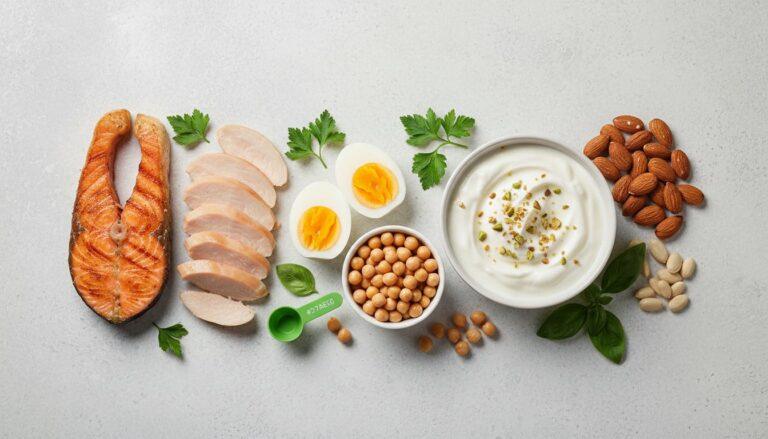
You can easily meet your protein needs with whole foods. To give you an idea, 30 grams of protein looks like a medium chicken breast, about 1.5 cups of lentils, or a cup of Greek yogurt. Mix and match these sources to keep your diet interesting and nutritious.
- Animal-based: Chicken breast, lean beef, fish (like salmon and tuna), eggs, and Greek yogurt are all excellent, complete protein sources.
- Plant-based: Lentils, chickpeas, tofu, edamame, quinoa, nuts, and seeds are fantastic options for plant-based athletes.
Are Protein Supplements Necessary for Athletes?
Let’s be clear: protein supplements are a convenience, not a requirement. Whole food sources should always be your priority because they provide other essential nutrients like vitamins, minerals, and fiber. However, if you have very high protein needs or a busy schedule, supplements like whey, casein, or plant-based protein powders can be a practical tool to help you reach your daily goal.
Frequently Asked Questions
Can an athlete eat too much protein?
For healthy individuals, a high-protein diet is generally safe. However, consuming extremely high amounts (well over 2.2g/kg) is unnecessary and may put a strain on your kidneys over time. It’s more effective to stick within the recommended ranges.
How much protein should I eat on rest days?
Your muscles are actively repairing and rebuilding on rest days, so it’s important to keep your protein intake high. Aim to consume the same amount of protein as you would on a training day to support optimal recovery.
Is the “1 gram of protein per pound of body weight” rule accurate?
This is a popular and easy-to-remember guideline that often falls within the correct range for strength athletes. One gram per pound is equivalent to 2.2g/kg, which is at the top end of the scientific recommendation. It’s a solid target for those looking to build muscle.
What are good protein snacks for athletes on the go?
Greek yogurt, cottage cheese, hard-boiled eggs, beef jerky, a handful of almonds, or a quality protein bar are all excellent, portable options to keep your protein intake up between meals.
Do female athletes have different protein needs than male athletes?
The recommendations for protein intake are based on body weight and activity level, not gender. Both male and female athletes should use the same g/kg guidelines to calculate their needs.
Fueling your body correctly is a key part of being a successful athlete. By understanding and applying these simple, evidence-based guidelines, you can feel confident that you’re giving your body the protein it needs to perform at its best. If you’re ready to take the next step on your wellness journey, Explore more expert nutrition guides at allthinginfo.com and get the friendly, practical advice you need for real-life results.
